How Product Configuration Software Can Grow Your Business

How Product Configuration Software Can Grow Your Business

Expanding into new countries is one of the key steps for any company that is trying to grow their consumer base. This is especially true when you take into account that the largest country in the world only has 18% of the population in it. This leaves 82% of other people completely out of that group of potential customers. However, with going global there are some hurdles to work through regarding currency exchange, time zone differences and language barriers.

How To Break Into International Markets

Using a robust product configurator built for multi-language use will grow your businesses success in home and international markets. Read on to learn all the ways that product configuration software can help you navigate international markets.

Eliminate Currency Exchange Hurdles

Exchanging currency is a key obstacle businesses face when embarking on new territory. To remove the risk of human error and navigate exchange hurdles, invest in a product configurator. A tool such as this streamlines currency exchanges with pre-programmed software. With less quality checks along the way, you can maintain business as usual in every time zone - even when it comes to customer support.

Time Zones Are No Longer An Issue

Even when you have currency exchange figured out being available is still one of the most important things when it comes to finding new opportunities. If a customer doesn’t receive a response quickly, they will often forget about the opportunity. This risk is elevated when the customer potentially does not live in the same time zone of hemisphere. That is where a CPQ would solve this problem. When a customer stumbles across your product while it the middle of the evening in your time zone there is no issue when the CPQ can create a customized quote for them straight from the website. Just like that you can sell your product anytime, anywhere from your website.

The Language Barrier Is Now Non-existent

One of the best options that Infor makes available when it comes to language barriers is being able to have your entire catalog switched over to another language. Every part of this program has been translated into 8 of the largest languages. With this capability it makes entering into new markets much easier and gives your sales reps one less thing to worry about.

Open New Doors Of Opportunity With Product Configuration Software

Investing into a product configurator software has shown through many different companies and studies that it is well worth the decision to implement it. Infor CPQ returns $6.22 on every $1 spent. The opportunities that a CPQ provides to a company in both streamlining their current sales while also being the next step towards expanding globally or with new partners makes it invaluable. At RenaissanceTech we specialize in Configure Price Quote solutions and can equip your company for the next steps of breaking into new markets that previously seemed impossible.

What Is CPQ and What Does It Stand For?

What Is CPQ and What Does It Stand For?

When people investigate guided selling, they often ask, “What is CPQ software?” and wonder how it will impact their operations. The experts at RenaissanceTech are here to give you a better understanding of the platform and how it can help your manufacturing business reach its goals. Check out our full guide below.

what is CPQ?

What Does CPQ Mean? – Configure, Price, Quote

The abbreviation “CPQ” stands for “Configure, Price, Quote.” CPQ allows you to create a structured, scalable sales process through guided selling and configuration. This tool is used by manufacturers to quickly and accurately turn complex products into quotes and orders, streamlining their operations. In order to truly understand what CPQ is, however, each aspect needs to be examined.

Configure

Your complex products will be easier to design with a real-time product configurator. Perhaps there are a lot of moving pieces and parts on your product, or there are a million combinations, or your customers require customization and special pricing, or maybe all those things are true for your business!

With customized products like yours, your first step should be to configure your product by asking a series of logic-based questions. Because the configure price quote pricing tool uses logic, it will remove noncompatible options as you select answers. This eliminates the chance for errors and unsupported combinations

Pricing

Manufacturers and service businesses rarely stick to a rigid pricing structure. Perhaps you offer bundles and volume pricing, or any other type of special pricing. CPQ guided selling gives you the ability to keep pricing clearly defined for everyone inside and outside of your organization, while still having the ability to customize pricing for certain dealers and customers.

It’s important to your bottom line that discounts are applied correctly and consistently throughout your business. With a CPQ system, prices are automatically calculated while you are configuring the product. Any special deals, discounts, promotional codes, and product bundles can be added at any time.

Quote

Once you’ve configured your product and you have an accurate price for it, you can finally turn it into a formal document. The quote can be emailed immediately or created as a PDF document, and this document can include product specifications, warranty information, drawings, detailed pricing, and terms.

Sales representatives can generate a quote, send it in an email, and send a follow up, with just a few clicks. Configure price quote guided selling software streamlines the quoting process for both manufacturers and dealers.

Integration

Lastly, there’s one more key feature of CPQ that’s not in the acronym, but it is equally as important – integration with ERP and CRM.

The same CPQ solution that services your dealers and outside sales reps is also the same configurator that runs within your ERP and CRM. This alleviates having to maintain more than one CPQ pricing tool and your product changes will take place across the whole system.

After you create your quote it is quickly turned into an order when integrated with your ERP system. Starting with the quote, your order can be completely fulfilled by passing BOMs and routings to the shop floor. This is why it is important that ERP integration is an option with the CPQ system you choose.

So Why Is CPQ Important? Here Are Just 4 Examples

By incorporating CPQ guided selling into your processes, you will be able to accomplish the following:

  • Efficiency – Help your sales reps and dealer network quote and close deals faster by eliminating disparate systems and removing siloed information. Automate approvals and create or maintain your workflows. Even the most complex quotes are easily managed with CPQ guided selling.
  • Control – Use a guided sales CPQ pricing tool to control what’s being offered and what’s being sold, while eliminating pricing, costing, and inventory errors. Your sales reps can become product experts in minutes by capitalizing on guided selling tools that only allow for approved configurations.
  • Innovation – Using our guided sales CPQ means that you can create product specs with a simple click. This allows your engineers, dealers, and sales teams to get creative and innovative, producing new product lines that differ from what is already available on the market. You can also use a configure price quote pricing tool to wow your customers with precisely customized deliverables, ensuring they are produced exactly as they were ordered.
  • Competitive edge – Companies learning what CPQ is and how it will benefit them should know they can get to market faster than competitors while launching new revenue models and upsell opportunities quickly. Today’s customers demand more flexibility in what they buy and how they buy it. Enabling a scalable technology platform will support your company now and in the future with advanced guided sales CPQ platforms available via Infor CPQ.

Further Configure Price Quote Guided Selling Advantages

With an advanced CPQ guided selling platform, your dealers and sales network can configure the right product offerings and generate an appropriate pricing and discount structure to meet the goals of your company. You can also fully customize quotes quickly while seamlessly integrating with your existing enterprise software, resulting in more sales and satisfied customers.

Using a guided sales CPQ can also provide you with the following:

  • Higher customer satisfaction
  • A central data catalog
  • Insights from reporting
  • Lower costs and fewer errors
  • Shorter sales cycles
  • Brand consistency
  • Better sales pipeline visibility

Best yet, the benefits don’t stop there. There is an abundance of featured add-ons that can be used to create an even better user experience. Below, you will find our most in-demand product extensions for CPQ products:

  • Stitch images for CPQ configurator
  • Requested ship date blocking for sales portal 
  • Order status for sales portal
  • Multi-line configuration for Infor sales portal/Infor CPQ

CPQ Designed for You

Your products and systems are unique and complex, so you need a provider who is willing to customize the software to fit the needs of your organization. That’s what our CPQ company stands for, a tailored solution designed for each client.

RenaissanceTech has over 200 successful CPQ implementations across a wide variety of industries, and the founders of RenaissanceTech worked on the initial development of the Infor CPQ solution. Let our CPQ team boost your operations with our expertise.

Want to Know More About Our Guided Sales CPQ?

Now that you understand what CPQ is, let us help to create a streamlined vision for your sales team, giving them the resources they need to secure more orders.

We can use our expertise to help your company grow with our customizable CPQ software that is tailored to your unique needs. Request more information today!


Competitive threats and how to protect yourself

Is it getting hot in here?

The pace of change in manufacturing today is staggering. New markets emerge, seemingly, overnight. Micro industries and niche applications can light up the forecasts–then disappear—in a blink, leaving you with shelves of obsolete inventory. Trends come and go. Technology needs to be continually refreshed, and yesterday’s projections are ancient history before you even hit SEND on the report. But, the greatest danger of this break-neck speed of business isn’t in recognizing what’s ahead; It’s seeing who is sneaking up from behind.

Impact of speed

Today, fast-gaining competitive threats can blindside you. Start-ups can swoop in claiming market share and stealing customers before you even recognize them as a threat. Thanks to crowd funding, angel investors, global logistics, and e-commerce, new companies can set-up in a garage and ship world-wide within a fraction of the time business launches once took. Innovative technologies accelerate the competition’s launch-rate even further. Tech-savvy entrants to the market can use Virtual Reality to visualize prototypes, 3D printing to create personalized components, and digitally connected supply chains and logistics companies to ship products—same day.

Why is competition heating up?

Low-cost threats. Competition is increasing and becoming more challenging to fend off. Today’s global economy means that competitors from around the world now can become viable threats. Competitors from emerging nations often come to the table with pricing advantages, including a workforce accustomed to lower wages, fewer safety mandates, and minimal workforce conditions and benefits. These influences can bring overhead costs down and allow the manufacturer to flood the market with low-cost goods, bringing prices down across the industry.

Brand knock-offs. Some countries are also known for their lax views on rights to proprietary concepts, patents, and copywrite materials, turning a blind eye to companies making knock-offs and brand-name forgeries. These issues all lead to increased competitive threats

Prestige products. It’s not the just low-end of the pricing spectrum that is changing competition. In some industries, a demand for high quality, customization, healthy or socially-conscious goods has brought boutique suppliers into the competitive mix. Craft beers, personalized fashions, organically grown protein substitutes are among the offerings. Even if the price is higher and the product is only available through exclusive channels, highly passionate consumers seems willing to support their convictions with their wallet.

Transparency. Merchandise that supports special causes or reflects a view are among the wave of high-end options today’s consumers seek. Led by millennials, socially conscientious consumers are often demanding products with political and ethical transparency and are willing to spend extra for “special interest” niche products. That means more pop-up competitors vying for the available dollars.

Servitization. The Manufacturers of goods are not your only threat. With the growth of IoT technologies, servitization is a growing trend substantially changing the competitive landscape. Now, instead of selling competing products, your competition may be offering outcome-based services that achieve the desired end results. In this case you need to compete against value-added concepts, much harder to do.

What can you do?

With threats popping up from emerging players—as well as mature contenders who experience a revitalization of new technology, maintaining market share can be difficult. You must be vigilant and ready to respond. Just as technology helps the new contenders step up their game, it also can help you identify early warning signs of eroding market penetration. Fortunately, there are also corresponding tactics you can deploy to boost your competitive edge.

[divider height="30" style="default" line="default" themecolor="1"]

Pair your current ERP system with Infor's CPQ technology easily and efficiently with RenaissanceTech's dedicated consultants.

Creating a Competitive Edge through Service- Manufacturing Matters

Technology supports enhanced customer centricity

Value-add programs are more important than ever as tools to overcome increased competition. Empowered by technology, new entrants into the market, as well as established veterans, are putting pressure on manufacturers to examine their mix of product offerings and services. Unless they want to risk commoditization of products or eroding market share, manufacturers must find ways to stand apart from their competitors. Enhancing the customer experience, from order entry to after-market service, is one of the most effective ways to build relationships that are resilient to aggressive competitors.

Even in business-to-business (B2B) industries, the customer expects timely, responsive service. Consumers have become accustomed to technology which recommends purchases and suggests related products often bought together, such as bulbs for a lamp, or an installation kit for a new dishwasher. Customers expect the same type of omniscient ability to sense and advise to carry over to the business world. Fast turn-around times, personalized products, attentive sales people, excellent credit terms, error-free deliveries, and responsive customer service and field service are other mandatory table-stakes. Manufacturers who disappoint in any one of these categories are likely to be replaced—and soon.

With so much at stake, a manufacturer must strive to further enhance service offerings and go above and beyond the typical array of features. Technology often provides the added boost or distinctive edge that will make all the difference. Here are several examples of solutions which will help you create customer intimacy and enhanced field service.

Configure, Price, Quote. A CPQ solution helps the manufacturer offer customized products to customers. The solution guides the user through selections, based on pre-configured options, automatically creating a quote and CAD drawing of the configured product. This tool saves time for the manufacturer, reducing engineering time, and allows the customer to order specialized products.

Customer Relationship Management (CRM) solutions. Having an advanced CRM solution is important today for managing accounts, promotions, expected purchases, as-serviced history, and the account’s purchasing and billing details. A modern solution helps you anticipate needs and be proactive in building relationships.

Customer service desk. Connectivity across the organization makes it easier for customer service representatives to answer questions and access real-time status of parts inventory, technician schedules, warranty and service agreements, as well as dispatch of service crews. The customer service team can quickly and accurately answer questions for customers about orders, billing, and service requests. Visibility is the key.

Warranties and service agreements. These tools are important service offering for customers. In order to manage the program, you need advanced service solutions which can help you track extended and multi-tier warranties, ensuring that the proper billing. Service agreements can also be a major form of revenue, as long as they are well managed, highly productive and efficiently leverage parts and labor.

Technician scheduling. Getting the right technician to the right place at the right time, with the right parts and tools is essential. With advanced dispatch tools, the process can be simplified, increasing productivity of service fleets and ensuring faster response to customer.

Inventory of spare parts. Improved visibility throughout the value chain will help manufacturers ensure they have access to spare parts for their customers’ products when and where they are needed. Visibility into the supply chain readiness will also help manufacturers understand the necessary back-up stock requirements and minimize inventory of costly parts.

Forecast service and parts demand. Visibility into customer purchase history, including details of models and any special configurations, will help the service operation predict parts, revenue, and staffing requirements, by region. This forecasting will help manufacturers by ready with resources, even when spikes in demand occur.

3D printing of parts. If rare parts aren’t available, the manufacturer may be able to employ 3D printing to create the part in a timelier and more cost-effective way than a special order from a supplier that is continents away or no longer in business.

Tracking fleet vehicles. Sensors embedded on service vans will help dispatchers track location of vans so they can route or reroute technicians as needed to answer emergency service calls. Tracking van location also helps monitor technician productivity and accurate billing of customers.

Internet of Things. Machinery and equipment can be embedded with smart sensors to generate data about location, environmental conditions, or performance. Smart sensors can be used to monitor and alert the service organization of early warning signs of equipment failure. Automated responses can be triggered, such as dispatching a technician or reserving a replacement part in inventory. The sensor-generated data can also be used to track the lifespan of the product, determine when calibration or preventive maintenance is required.

Proper product operation. There are times when product operation needs to be monitored to ensure safety and environmental regulations are being met. Or, improper practices, like dismantling safety warnings, may void the manufacturer’s warranty. Sensors can help technicians monitor that the equipment and machinery is being operated within recommendations.

Mobility and remote connectivity. Field technicians need remote access to data, such as inventory of parts and status of warranties. Mobile solutions give technicians the data they need to make well-informed decisions in the field, including the ability to sell replacements units.

Virtual Reality. Virtual environments can be used to help train technicians on complex machinery, especially when the machinery is remote or in a dangerous location.

Wearables and video. Video-enabled connectivity can help the field technician communicate and sahe video with a senior technician or design engineer at headquarters to obtain guidance. Wearables can also give technicians hands-free access to the system. Drones, robotics, and AI-enabled assistants are other ways the digital service operation may use technology to enhance service.

Service data as an offering. Data collected from products related to optimal performance and maintenance can be aggregated and packaged into insights customers will find valuable. The insights can be offered as value-add feature to build relationships or can be monetized to create added revenue streams.

Actionable advice
If you manufacture products which require maintenance or service, now is the time to review your IT solutions and consider how you can deploy digital technologies to gain an important competitive edge. The highly efficient service operation offers an important way to become well-aligned with the customer and a chance to build greater loyalty. Technology can help you increase your operational abilities, while adding the advanced value-add features customers expect.


Empower Your Sales Force with Infor CPQ

With Infor CPQ, your sales force will have the powerful capabilities it needs to address all of your customers’ unique requirements with speed, accuracy, and personal attention.

Increase sales

Boost sales performance. Infor CPQ can significantly reduce the learning curve for new sales reps, so they quickly attain better quote-to- order ratios.

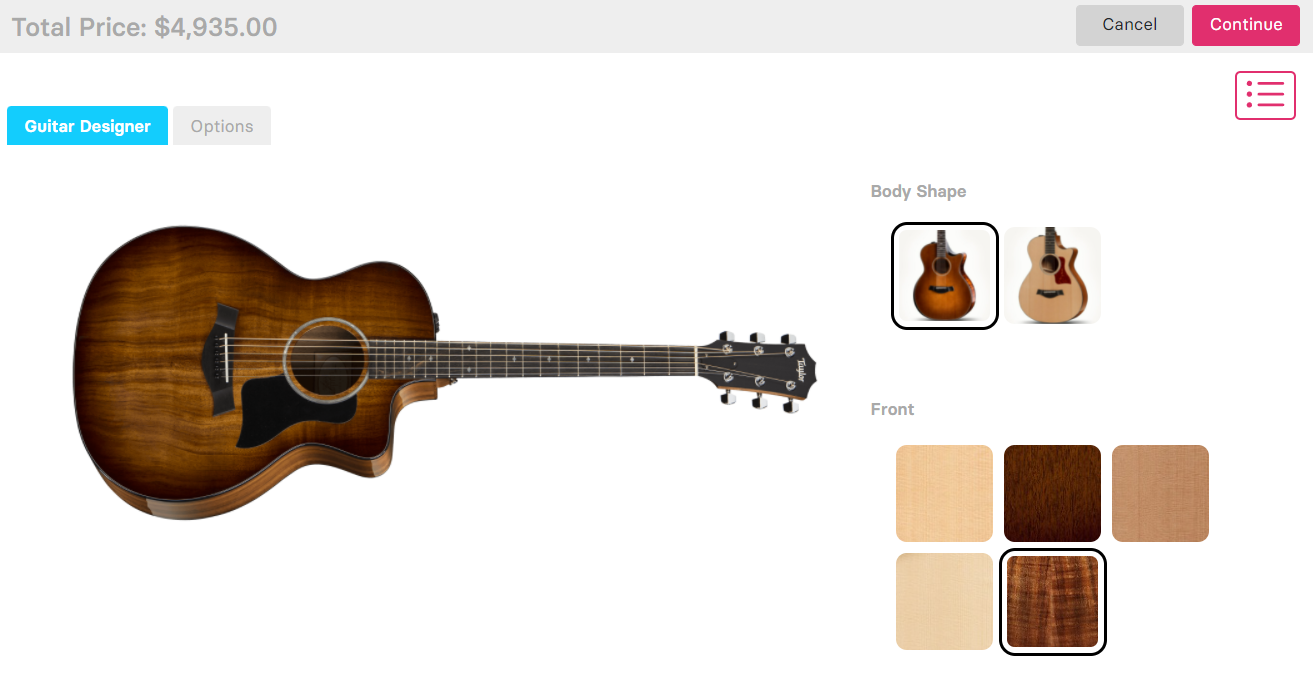
Help customers visualize their orders. With Infor CPQ, your sales team gets visualization tools to use in the quoting process, so customers can see realistic images of their final order.

Better manage product transitions. Infor CPQ helps you quickly and efficiently manage new offerings, allowing you to roll out new products, options, and pricing electronically—according to your exact plan.

Upsell more effectively. Infor CPQ gives sales reps receive tools to help them offer high-margin options that improve the profit-per-sale.


Reduce costs

Deliver the perfect order.  With Infor CPQ, you’ll ensure customers have made all the choices they need and that the order you submit to production reflects the exact configuration, is on time, and delivers the expected costs.

Automate manufacturing instructions. Infor CPQ dynamically creates bills of materials (BOM) and manufacturing instructions on the fly, and can integrate with your ERP system to store these instructions with production orders. With dynamic instructions and drawings, you can eliminate a substantial number of errors that can creep into even the most well-run production process.

Reduce labor requirements. With Infor CPQ, you can dramatically reduce the labor required to fulfill an order. Rules-based BOM processes help avoid labor-intensive creation of thousands of versions, helping you eliminate the need for price books and re-keyed orders.


Strengthen your brand

Innovate faster. Customers think more highly of your company when they see fresh innovative features that clearly meet their needs better than competitors’ offerings. Infor CPQ helps you speed up the pace of innovation by freeing up engineers, designers, and other technical professionals from the selling process.

Create a consistent buying experience. Whether they’re deciding on typefaces with a sales rep or talking with a customer service rep on the phone, with Infor CPQ, you can make sure your products are represented exactly the same way, every time.

Deliver quality. Customers will move their business to a competitor if they don’t get the product they ordered on time and in the exact configuration they specified. Infor CPQ helps you to attain the same level of quality for configured and customized paper products that customers expect from off-the-shelf products.


Interested in learning how others have enhanced the buying experience? Contact us Today to learn more!